The history of Mehndi/Henna
- Sad1ash

- Mar 24, 2023
- 2 min read
Mehndi, also known as henna, is an ancient art form that has been a part of various cultures for centuries. The word "mehndi" comes from the Sanskrit word "mendhika," which refers to the henna plant.
By Sadia Arshad

The origins of mehndi can be traced back to ancient Egypt and India, where it was used for cosmetic purposes, medicinal purposes, and even as a form of protection against the harsh desert sun. In ancient Egypt, it was believed that mehndi could help to cool the body and prevent heat stroke, while in India, it was used to decorate the skin of brides and grooms during weddings.
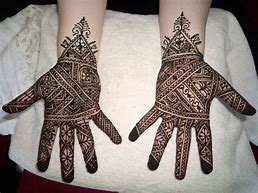
Over time, mehndi became an important part of many different cultures and was used for a variety of purposes. In the Middle East, it was used to decorate the hands and feet of brides and grooms, while in Africa, it was used to mark important rites of passage, such as childbirth and circumcision.
Mehndi has also been used in many different religious ceremonies. In Hinduism, mehndi is used during weddings and other auspicious occasions, as it is believed to bring good luck and ward off evil spirits. In Islam, mehndi is often used to celebrate Eid and other festivals, and it is believed to be a sunnah, or a practice that was favoured by the Prophet Muhammad.
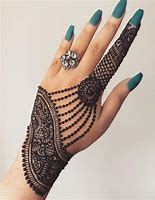
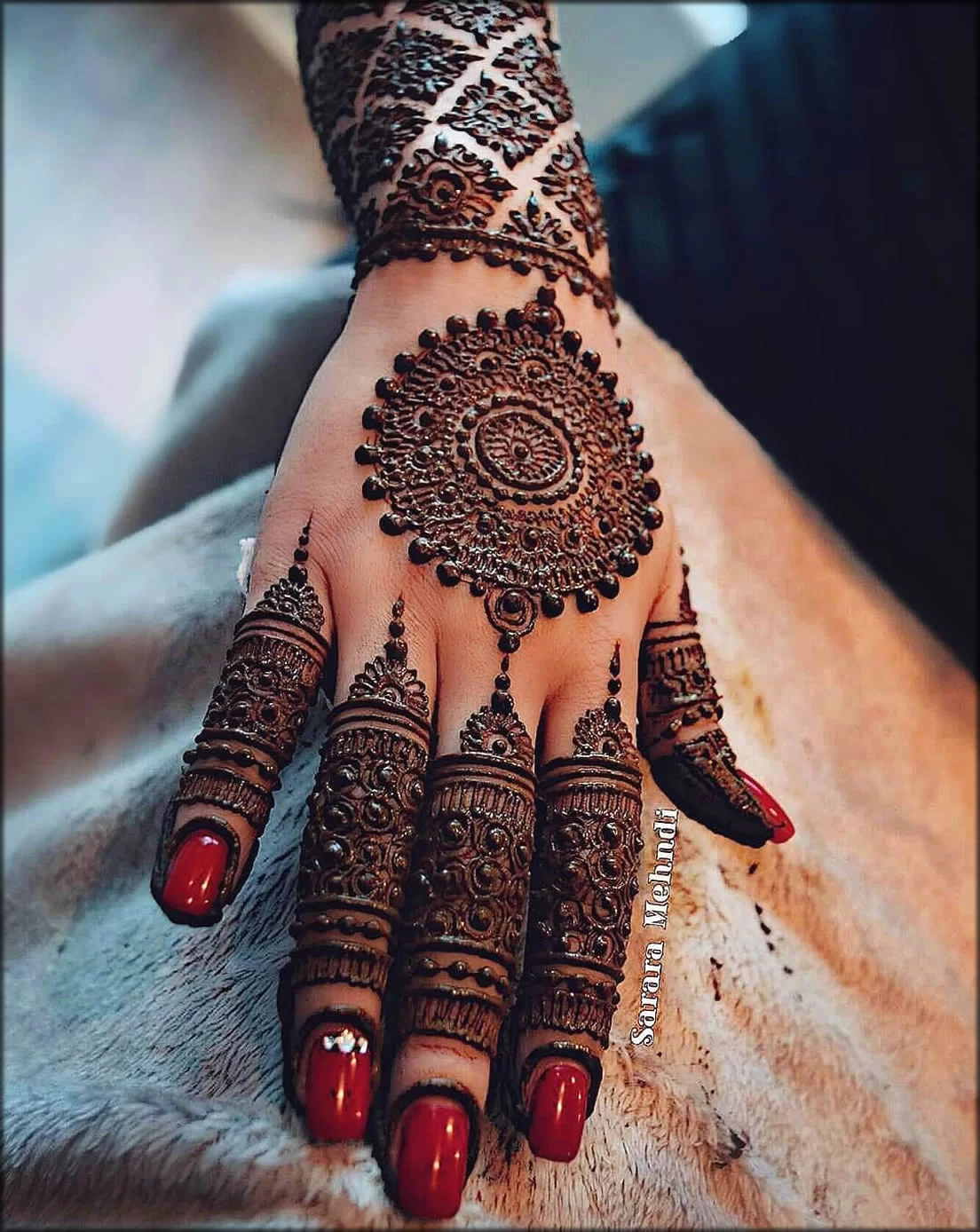
Today, mehndi is still an important part of many different cultures around the world. In India, it is often used during weddings and other celebrations, while in the Middle East, it is still used to decorate the hands and feet of brides and grooms. Mehndi is also becoming more popular in Western cultures, where it is often used as a form of body art or a temporary tattoo.
In conclusion, mehndi is an ancient art form with a rich history and cultural significance. From its origins in ancient Egypt and India to its use in modern-day weddings and celebrations, mehndi has played an important role in many different cultures for centuries. Whether used for cosmetic purposes, religious ceremonies, or simply as a form of self-expression, mehndi continues to be an important part of many people's lives today.





Comments